Beyond Pierogi: The “Lector” Phenomenon and Poland’s Digital Crossroads
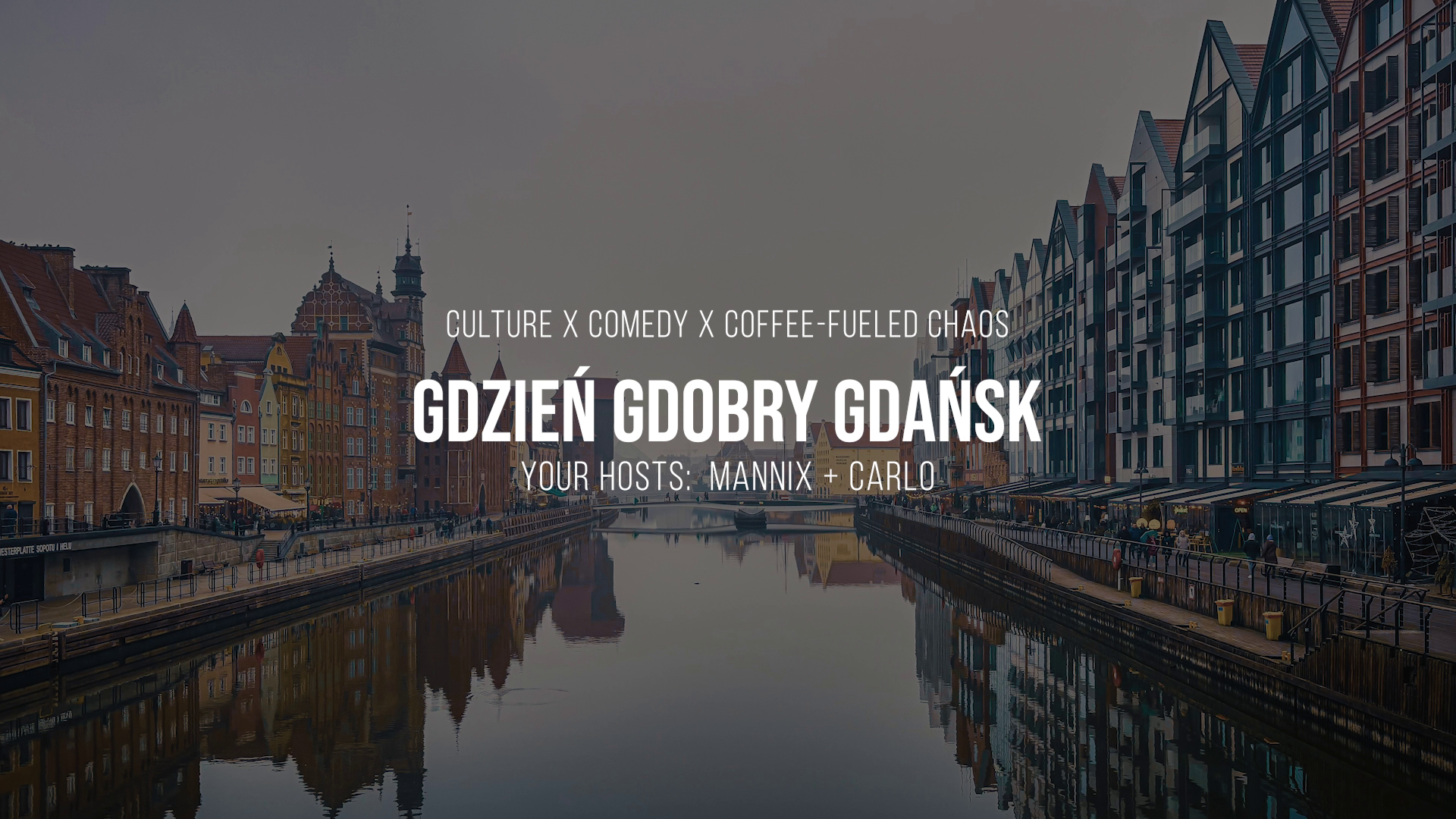
Welcome to a deep dive into the quirks of Polish culture, as explored by Mannix “The Mighty” and Carlo “El Capybara” in the debut episode of Gdzień Gdobry Gdańsk. This isn’t just journalism; it’s cultural anthropology with punchlines, focusing on how Poland watches its media and what happens when the digital world collides with local traditions.
The Mystery of the Polish Lector
If you have ever turned on a Polish television to watch a Hollywood blockbuster, you likely encountered the lector—a single, typically male voice providing a voiceover for every character in the film. While foreigners often find it distracting because it masks the original actors’ emotions, for many Poles, it is an integral piece of the fabric of society.
Where did it come from?
The lector system emerged after the Second World War in countries under Soviet control. At the time, Polish TV studios lacked the budget, staff, and time required for high-quality dubbing or subtitles, so they opted for the “lowest common denominator”: the voiceover. This practice became so ingrained that some locals don’t even notice it’s there, even when the lector’s stoic, formal tone remains unchanged during high-octane action scenes or romantic moments.
Subtitles, Dubbing, or Lector?
Street interviews in Gdańsk reveal a divided audience. While many younger viewers and cinema enthusiasts prefer subtitles to hear the original acting, others admit a fondness for the lector. Some even use the lector specifically when they are “lazy” or want to multitask without being “super engaged” with the screen. Despite the rise of modern alternatives, there is a strong sentiment that the Polski Lector must stay as a unique cultural staple.
TV vs. The Internet: A Local Loss?
The shift from traditional broadcast TV to internet streaming has changed more than just how we watch movies. While the internet offers a “plethora of options” and original audio, the hosts argue that the move away from local TV might be disconnecting people from their communities.
Streaming platforms are often universal, meaning viewers might miss out on critical local information—such as a car crash affecting a morning commute or the scheduled detonation of an unexploded Second World War mine in the sea. As TV struggles to find its niche in the age of “edutainment” and independent vloggers, there is a growing need for media that remains localized and personal.
Life Without the Digital World
The episode concludes with a provocative thought: What would life be like without a computer? For digital nomads and expats in Gdańsk, the answer is “cataclysmic chaos”.
- Communication: Mannix describes life without a computer as “life without oxygen”.
- Information: Without the internet, we would likely return to a world of physical books, paper maps of Gdańsk, and Polish-English dictionaries.
Whether you prefer the steady drone of a legendary lector or the crisp audio of a Netflix stream, it’s clear that Poland’s media landscape is a unique blend of historical necessity and modern innovation.
Enjoyed this cultural deep dive? Follow Gdzień Gdobry Gdańsk for more stories from Poland’s most vibrant coastal city. Gdzienkuje and Gdo zobaczenia!
#gdgdgdpl #gdziengdobrygdansk #gdansk #poland #funthingstodoingdansk #traveltogdansk #traveltopoland #polandtravel